Blue Nile
Major tributary of the Nile, originating in Ethiopia.

Fofyfo · CC BY-SA 4.0
The Blue Nile is a river originating at Lake Tana in Ethiopia. It travels for approximately 1,450 km (900 mi) through Ethiopia and Sudan. Along with the White Nile, it is one of the two major tributaries of the Nile and supplies about 85.6% of the water to the Nile during the rainy season.
- source
- Lake Tana, Ethiopia
- length
- approximately 1,450 km (900 mi)
- major_tributary_of
- Nile
- water_contribution_during_rainy_season
- about 85.6%
- countries_flowed_through
- Ethiopia and Sudan
Verified Timeline
Lore & Background
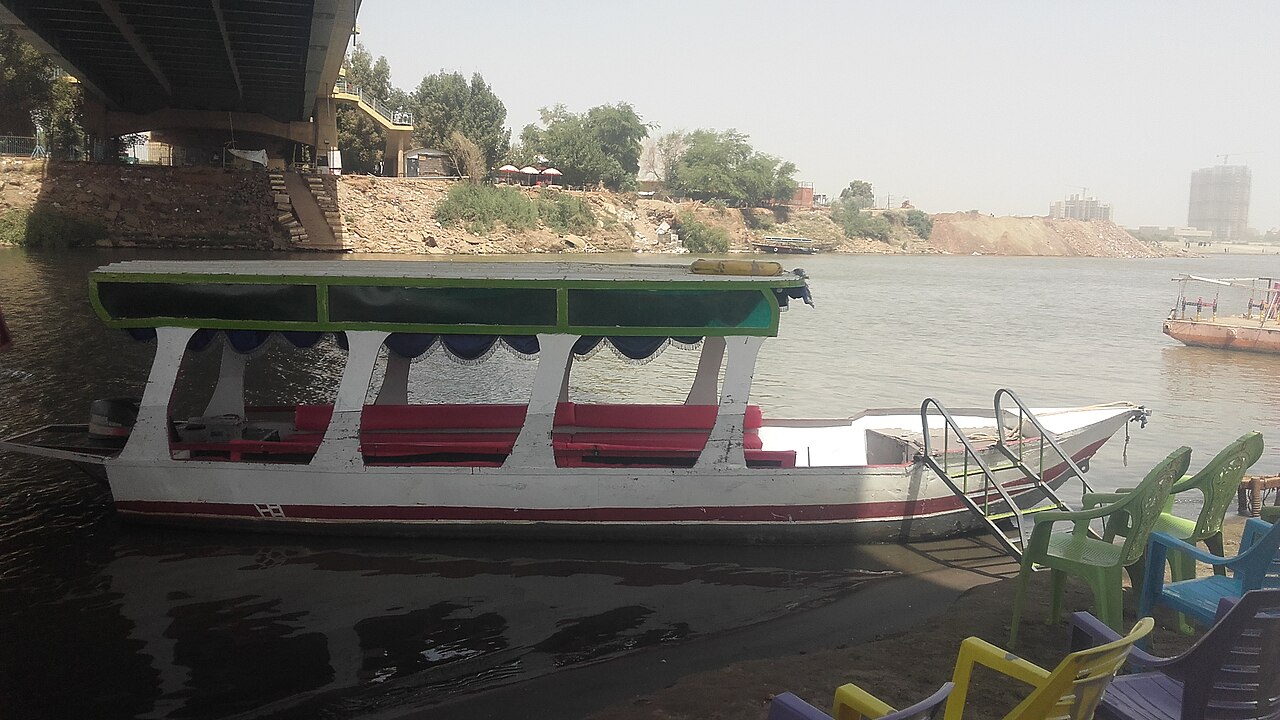
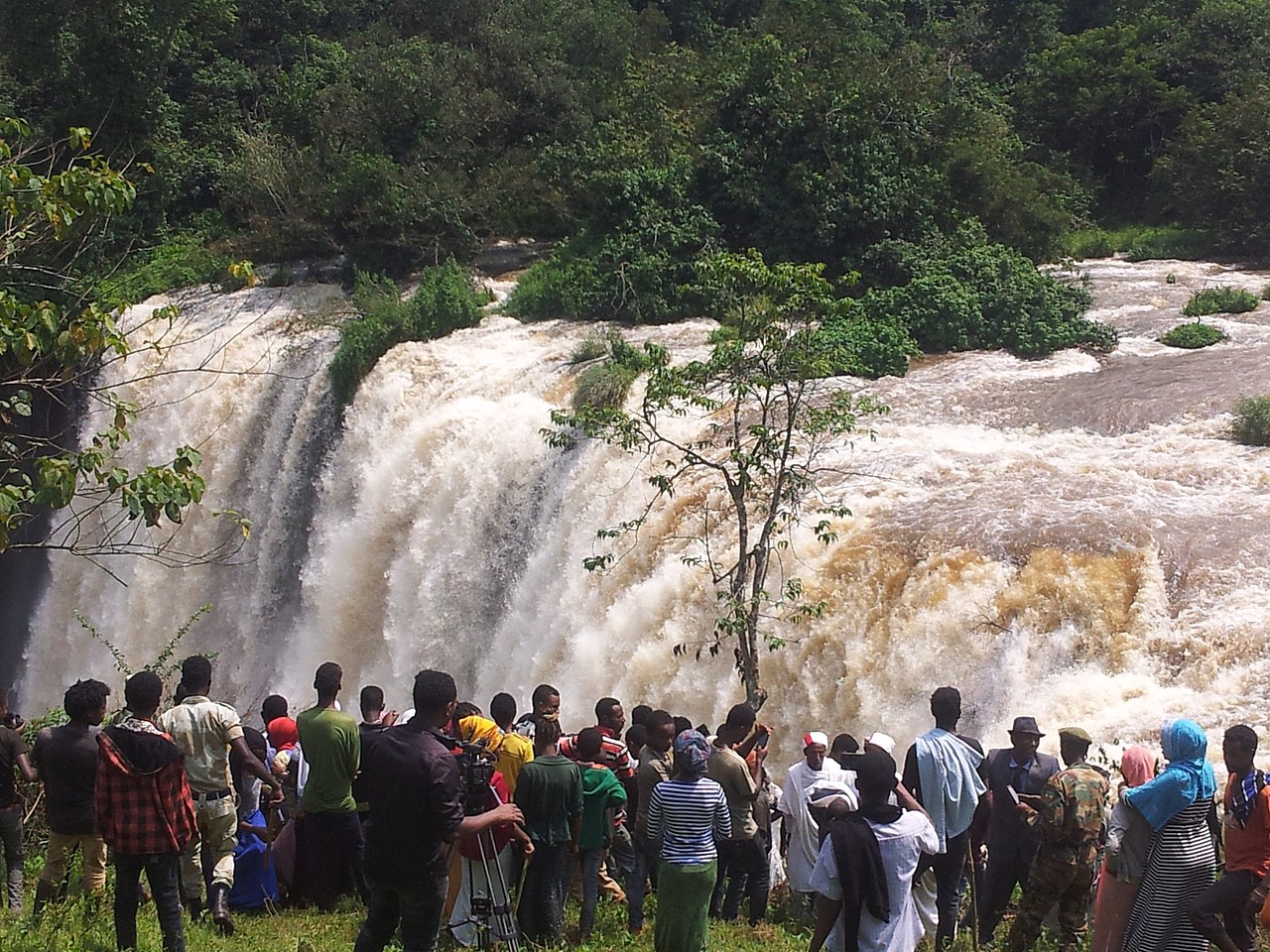
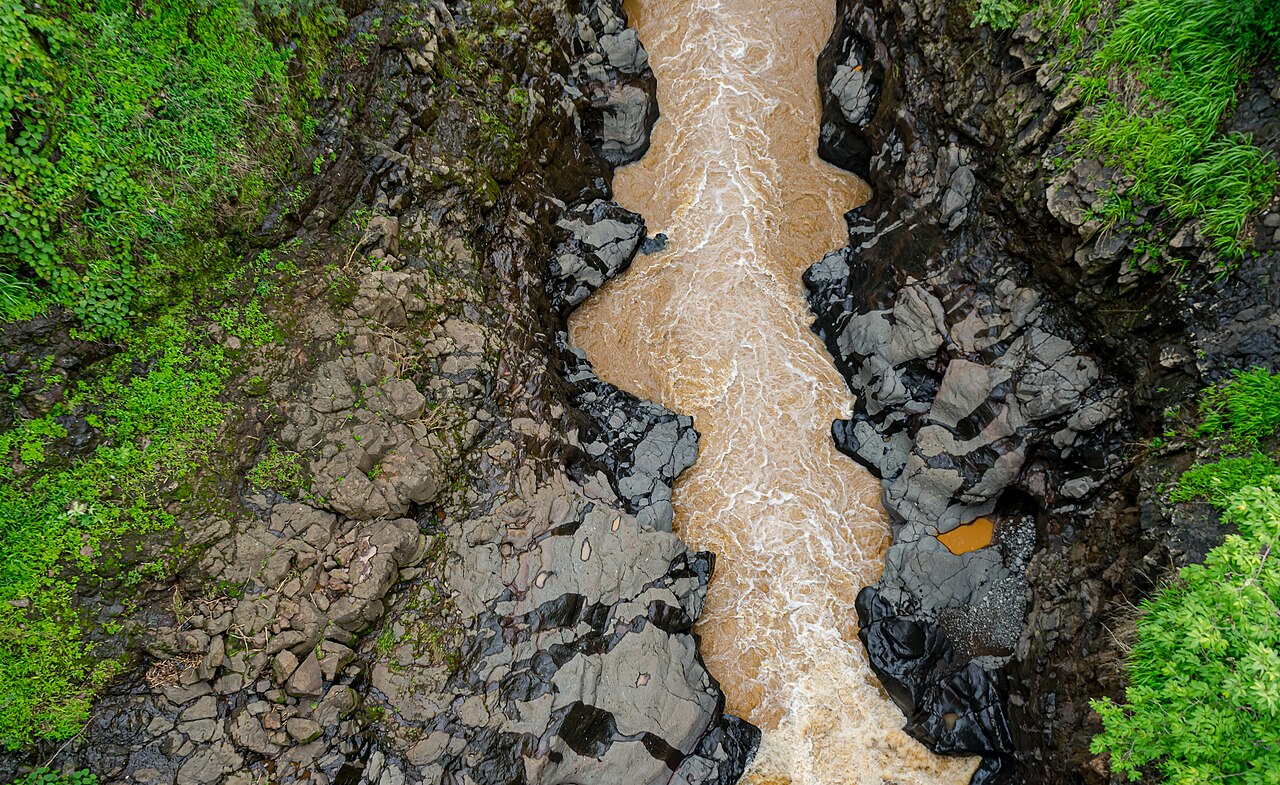
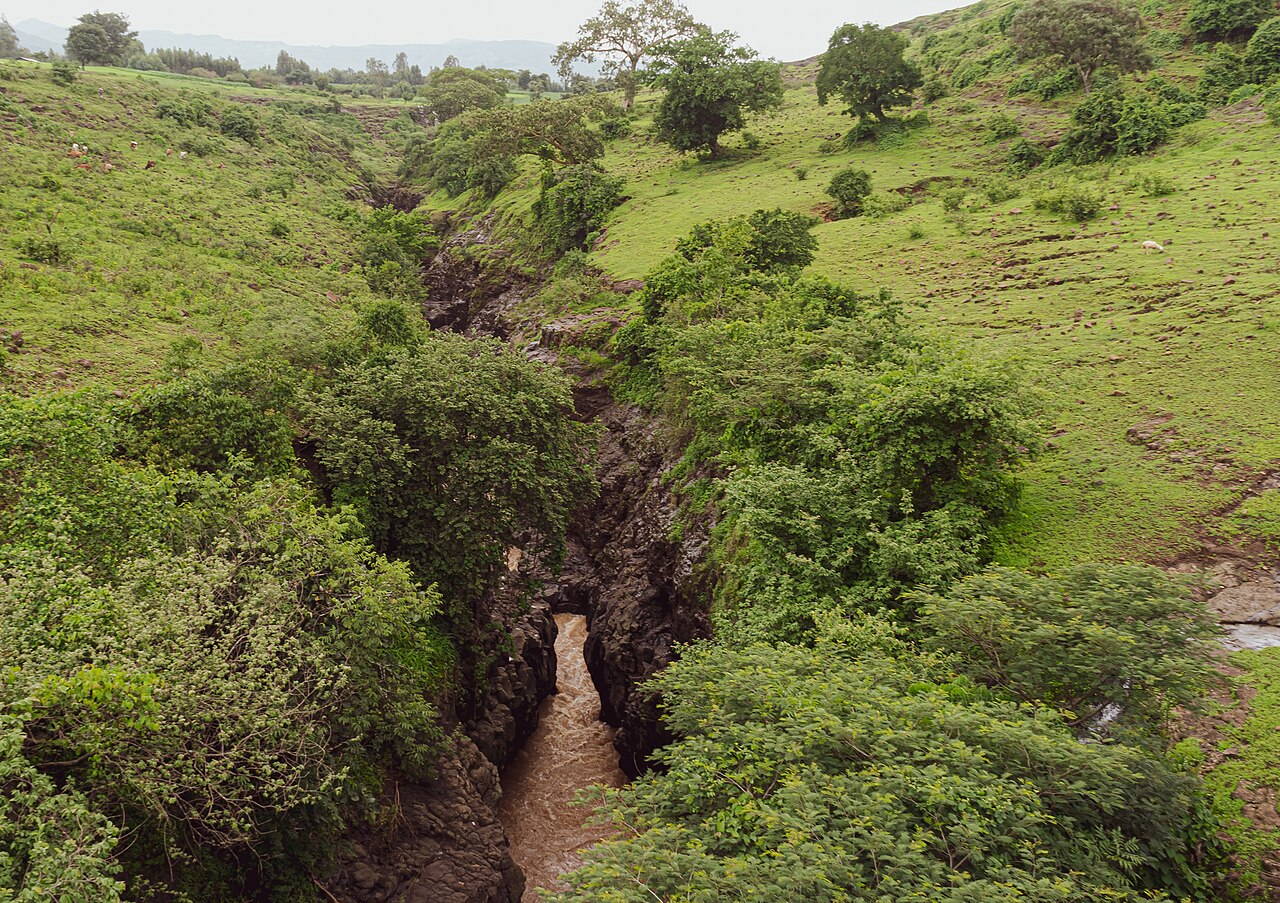
The Blue Nile originates at Gish Abay at Sekela in Ethiopia, where it is called the Abay River. It flows generally south before entering a canyon about 400 km long, about 30 km from Lake Tana, which is a tremendous obstacle for travel and communication between north and south Ethiopia. The canyon was first referred to as the 'Grand Canyon' in 1968 by a British team that accomplished the first descent of the river from Lake Tana to the end of the canyon. The Blue Nile Falls (Amharic: Tis Abay, literally 'great smoke'), one of Ethiopia's biggest tourist attractions, is located at the start of the canyon. The river loops across northwest Ethiopia before being fed by numerous tributaries between Lake Tana and the Ethiopia–Sudan border. Those on its left bank include the Wanqa, Bashilo, Walaqa, Wanchet, Jamma, Muger, Guder, Agwel, Nedi, Didessa, and Dabus rivers. Those on the right side include the Handassa, Tul, Abaya, Sade, Tammi, Cha, Shita, Suha, Muga, Gulla, Temcha, Bachat, Katlan, Jiba, Chamoga, Weter, and Beles. The Blue Nile then heads northwest into Sudan, traveling for approximately 650 km, flowing past Er Roseires and receiving the Dinder River on its right bank at Dinder. At Khartoum, the Blue Nile joins the White Nile and, as the Nile, flows through Egypt to the Mediterranean Sea at Alexandria.
Reader's Guide
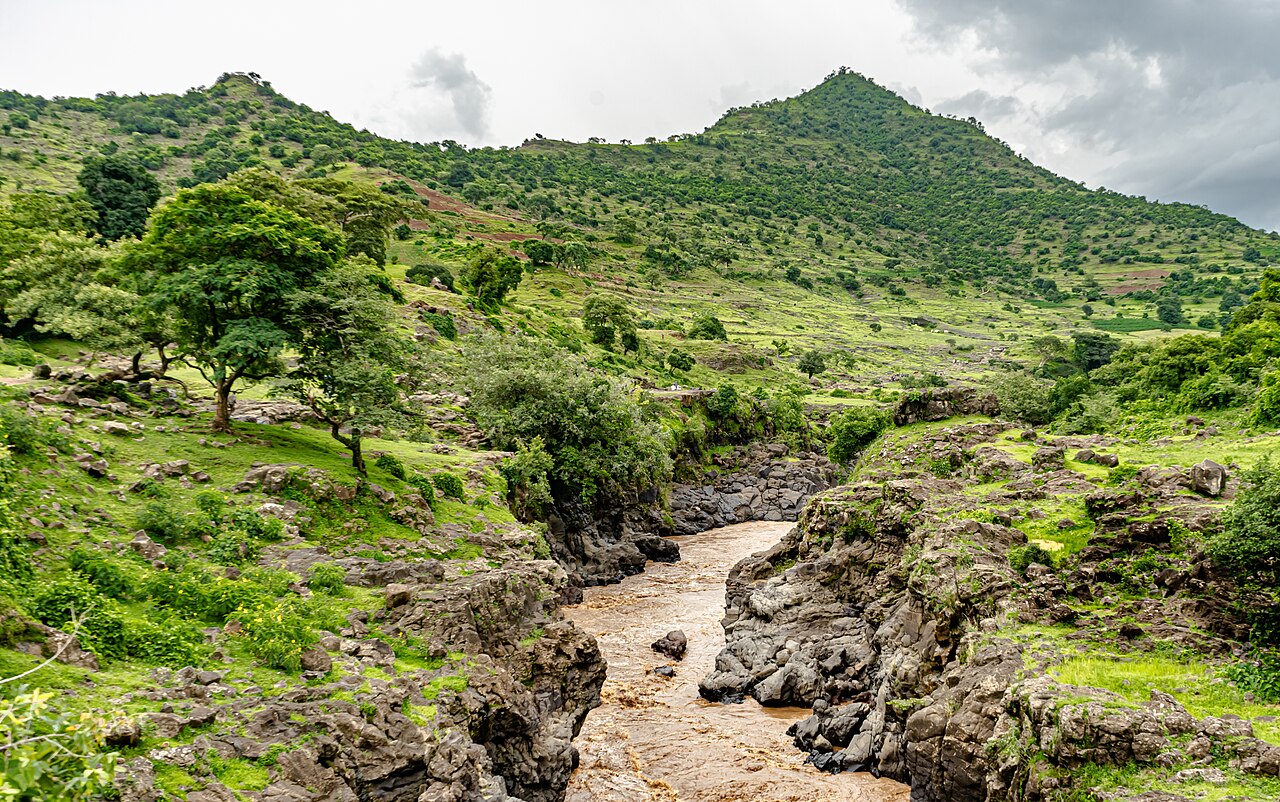
The flow of the Blue Nile reaches maximum volume in the rainy season from June to September, when it supplies 80–86% of the water of the Nile proper. The river was a major source of the flooding of the Nile in Egypt that contributed to the fertility of the Nile Valley and the consequent rise of Ancient Egypt and Egyptian mythology. With the completion of the Aswan Dam in 1970, these floods stopped occurring in lower Egypt. During the summer monsoon season, the Blue Nile floods erode a vast amount of fertile soil from the Ethiopian Highlands and carry it downstream as silt, turning the water dark brown or almost black. The Blue Nile is vital to the livelihood of Egypt: as the most significant tributary of the Nile, it contributes over 85% of the Nile's streamflow. Though shorter than the White Nile, 59% of the water that reaches Egypt originates from the Ethiopian highlands via the Blue Nile. The river is also an important resource for Sudan, where the Roseires Dam and Sennar Dam contribute to the 80% of the country's electricity generation from hydropower. These dams also help irrigate the Gezira Scheme, which is most famous for its high-quality cotton, as well as wheat and animal feed crop production. In November 2012, Ethiopia began construction of the Grand Ethiopian Renaissance Dam, a 6000-megawatt hydroelectric dam on the river. Electricity generation began in February 2022. The Egyptian fear that Ethiopia might block the Blue Nile was a major factor in the long and complex Ethiopian-Egyptian relationship. For centuries, the threat of blocking the Blue Nile was an effective strategy in ensuring the appointment of Egyptian metropolitans. The first European known to have seen the Blue Nile in Ethiopia and the river's source was Pedro Páez, a Spanish Jesuit who reached the river's source on 21 April 1618. In 1999, writer Virginia Morell and photographer Nevada Wier made the journey by raft from Lake Tana to Sudan. On 28 April 2004, geologist Pasquale Scaturro and his partner Gordon Brown became the first known people to navigate the Blue Nile in its entirety. On 29 January 2005, Canadian Les Jickling and New Zealander Mark Tanner completed the first fully human-powered transit of the entire Blue Nile and the Nile in Sudan and Egypt, a journey of over 5,000 km that took five months.
Did You Know?
- The Blue Nile is called the Abay River in Ethiopia.
- The Blue Nile Falls, known in Amharic as Tis Abay ('great smoke'), is one of Ethiopia's biggest tourist attractions.
- The first European known to have seen the Blue Nile's source was Spanish Jesuit Pedro Páez on 21 April 1618.
- The Grand Ethiopian Renaissance Dam, a 6000-megawatt hydroelectric dam on the river, began generating electricity in February 2022.
- On 29 January 2005, Les Jickling and Mark Tanner completed the first fully human-powered transit of the entire Blue Nile, a journey of over 5,000 km.
Geography and the Journey from Source to Confluence
The Blue Nile begins its journey at Gish Abay, a point near Sekela in Ethiopia, where it is locally known as the Abay River. From this origin, the water flows generally southward before plunging into a dramatic canyon roughly 400 kilometres long, situated about 30 kilometres downstream from Lake Tana. This gorge, carved to depths of approximately 1,500 metres into the Ethiopian Highlands, has long served as a formidable barrier to travel and communication between the northern and southern parts of the country. In 1968, a British expedition became the first to complete a full descent from Lake Tana to the canyon's end, coining the phrase "Grand Canyon of the Nile." At the canyon's entrance stands the Blue Nile Falls, known in Amharic as Tis Abay, meaning "great smoke," a landmark that draws visitors from across the region. Beyond the gorge, the river sweeps across northwest Ethiopia, gathering water from an extensive network of tributaries on both banks before crossing into Sudan. There it travels roughly 650 kilometres past Er Roseires, receives the Dinder River, and finally meets the White Nile at Khartoum.
The Engine of the Nile's Waters
During the summer monsoon months from June through September, the Blue Nile swells to its peak volume, delivering between 80 and 86 percent of the total water that flows through the Nile proper. This extraordinary contribution means that although the Blue Nile is shorter than its sister, the White Nile, a majority of the water ultimately reaching Egypt originates from the highlands of Ethiopia. The seasonal floods have historically scoured vast quantities of rich, fertile soil from the Ethiopian plateau, transporting it downstream as heavy silt that gives the river its characteristic dark brown, almost black colour. For millennia, this annual inundation enriched the Nile Valley farmland and underpinned the agricultural abundance that allowed Ancient Egyptian civilisation to flourish. That natural cycle was interrupted in 1970 with the completion of the Aswan Dam, which ended the periodic flooding in lower Egypt. In Sudan, the Roseires and Sennar dams harness the river's power to generate roughly 80 percent of the country's hydroelectric output, while also sustaining the Gezira Scheme, a vast irrigation network celebrated for its high-quality cotton, wheat, and animal feed production.
A River at the Heart of Empire and Exploration
The Blue Nile has long been more than a waterway; it has been a lever of political power and a magnet for explorers. Egyptian anxiety that Ethiopia might one day dam or divert the river's flow has shaped the bilateral relationship for centuries, creating a complex web of mutual dependence in which Egypt relied on Ethiopian waters while Ethiopia looked to the Coptic Orthodox Patriarchate of Alexandria for spiritual authority. Ethiopian rulers, from Emperor Amda Seyon I onward, wielded control of the basin as a diplomatic instrument, and the Solomonic dynasty further sacralised the river by identifying it with the biblical Gihon. On the European side, the Portuguese João Bermudes offered the earliest written account of the Tis Abay Falls in his 1565 memoirs, while the Spanish Jesuit Pedro Páez reached the river's source on 21 April 1618. Later, Jerónimo Lobo and James Bruce also traced the source in 1629 and 1770 respectively. Yet the impenetrable canyon has thwarted most attempts to navigate the full course, with Frédéric Cailliaud's 1821 effort standing as a cautionary precedent for generations of would-be explorers.
Modern Dams and the Politics of Shared Water
In November 2012, Ethiopia broke ground on the Grand Ethiopian Renaissance Dam, a 6,000-megawatt hydroelectric project on the Blue Nile that was envisioned as a transformative boost to the nation's economy and energy independence. The dam's construction immediately raised alarm in downstream neighbours. Both Sudan and Egypt expressed deep concern that the reservoir's filling and operation could reduce the volume of water arriving in their territories, a fear rooted in centuries of reliance on the river's seasonal flows. Despite these tensions, the project pressed forward, and electricity generation commenced in February 2022. The dam sits within a broader landscape of water infrastructure: in Sudan, the Roseires and Sennar dams already channel the Blue Nile's energy into the national grid and irrigate the Gezira Scheme, while in Egypt the Aswan Dam, completed in 1970, has long regulated the river's once-mighty annual floods. The Blue Nile thus remains a focal point where engineering ambition, economic necessity, and the delicate balance of transboundary water rights continue to intersect.
Gallery
Frequently Asked Questions
What is the Blue Nile?
The Blue Nile is one of the two main tributaries that feed into the Nile River. It is traditionally regarded as beginning at Lake Tana in Ethiopia before flowing southward into Sudan.
Where does the Blue Nile originate?
Its source is Lake Tana, located in the Ethiopian highlands. From there the river travels roughly 1,450 km (about 900 miles) before joining the White Nile.
How much of the Nile's water does the Blue Nile supply?
During the rainy season the Blue Nile contributes approximately 85.6 percent of the Nile's total flow. This makes it the dominant hydrological driver of the entire Nile system.
Which countries does the Blue Nile pass through?
The river flows through Ethiopia and Sudan. It originates in Ethiopia's highland region and crosses into Sudan, where it ultimately merges with the White Nile at Khartoum.
Why is the Blue Nile so significant to northeastern Africa?
Because it delivers the vast majority of the Nile's seasonal water, it has shaped agriculture, settlement, and civilization across the region for millennia. Its annual flood cycle historically sustained farming in Egypt and the surrounding areas.
More in Rivers And Seas Of The World 1-24
Elsewhere in the Rivers And Seas Of The World universe
Spotted an error? Know more?
This is a living reference — every entry is fact-audited, and reader corrections feed straight into our audit queue. Suggest an edit · See this site's audit record